
Article categories:
- BibleReference
- BibleStudy
- Torah
- Gospels
- Confirmation
- Supersessionism
- Methodism
- DoNoHarm
- PublicTheology
- ClinicalEthics
- Translations
- LiturgicalArt
- ChristianTheology
- ReunionHermeneutic
- Gender
- TheProphets
- Sexuality
- Epistles
- ChildAbuse
- Grace
- State
- Repentance
- ChristianHistory
- DomesticViolence
- Sermons
- MentalHealth
- TheWritings
- Pregnancy
- Preaching
- Disability
- Race
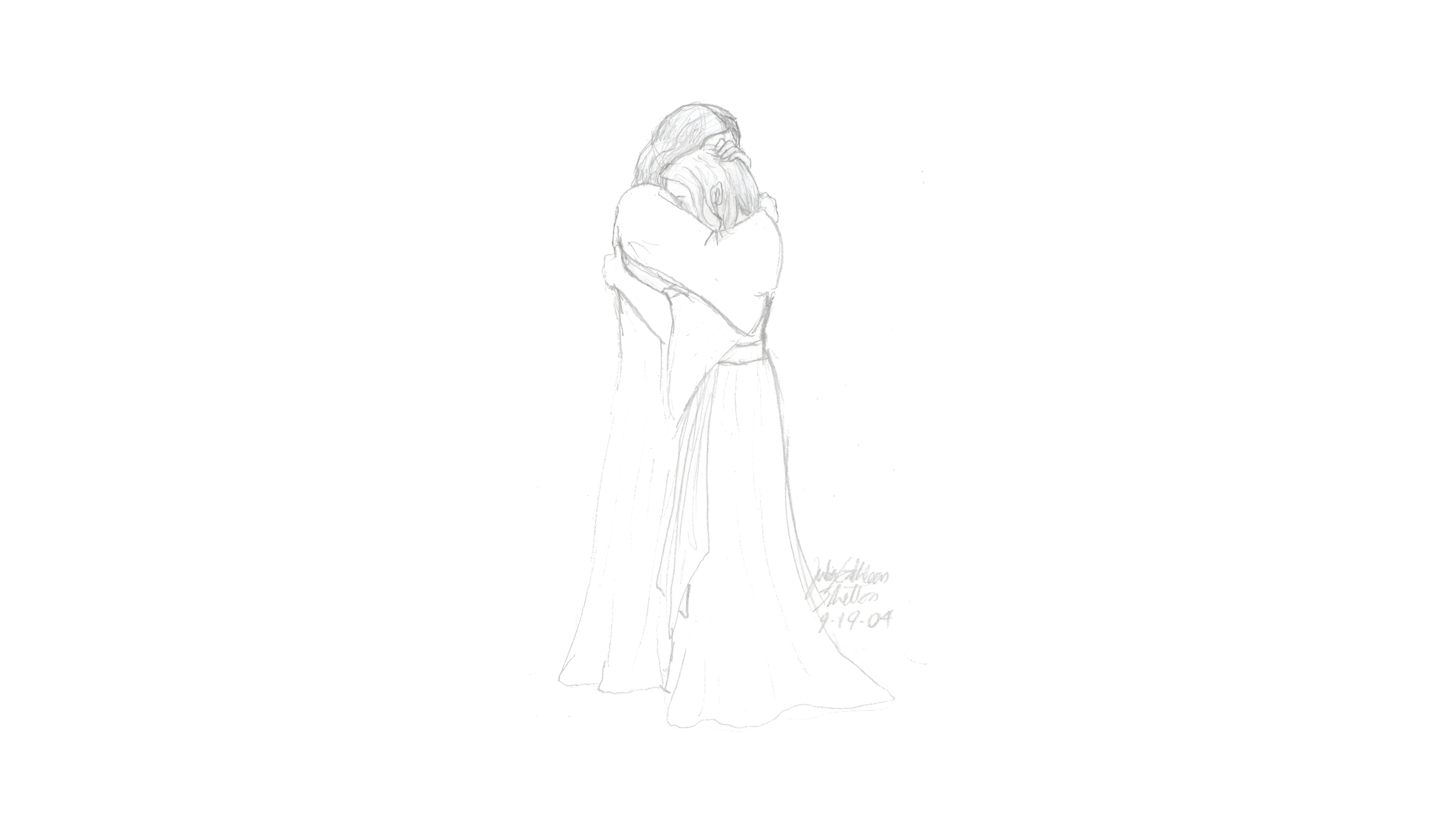
The Miracle of the Prodigal Son Isn't What You Think It Is. (Reunion Hermeneutic Series)
This is the fifth of a five-part series on Biblical Family Reunions:
The Bible Is One Long Family Meeting: The Family Reunion Lens in Ministry
Three Reunions and a Failure: How Biblical Heroes Make Up or Give Up
"I Am a Withered Tree." How Isaiah 56 Revises the Family's Rules from the Inside
You know this story? Maybe you’ve heard a hundred sermons on it. The younger son leaves, wastes his inheritance, comes home, and the father welcomes him with open arms. Grace. Forgiveness. The love of God.
That's a fine reading. But I want to show you something in this text that I think most of us have walked right past.
Let's read it again. Slowly. And instead of watching the younger son, watch the family.
How the Bible Happened and How We Read It: Toward A Novel Biblical Interpretation Lens (Reunion Hermeneutic Series)
Before we use the family reunion lens on anything, we need to talk about the thing we're reading.
The Bible is not a book. It's a library. It was written across roughly a thousand years by dozens of communities in multiple languages for different purposes. It was assembled, edited, argued over, canonized, translated, retranslated, and re-argued-over across another two thousand years. The process that turned these texts into "the Bible" is itself a story worth knowing, because how the library was assembled shapes what any lens can see in it.
Any hermeneutic lens — including the one I'm proposing — has to respect this history. Otherwise it's just another way of treating the Bible as a single book with a single author making a single argument, and there are already too many of those.
How the Library Was Assembled
The Hebrew Bible and Old Testament:
"I Am a Withered Tree." How Isaiah 56 Revises the Family's Rules from the Inside (Reunion Hermeneutic Series)
By now you have the tool. You've seen how it works on three different texts from the Hebrew Bible. This article is different. We're not demonstrating the lens anymore. We're using it.
Isaiah 56. Eight verses. One of the shorter prophetic oracles. It sits in what scholars call Third Isaiah (chapters 56-66), composed during or after the return from exile — a community rebuilding, redefining itself, arguing about who belongs.
Let's read it.
The Text
Three Reunions and a Failure: How Biblical Heroes Make Up or Give Up (Reunion Hermeneutic Series)
The family reunion lens is a hermeneutic tool — a theme you bring to a text and let interact with your reading in both directions. The first article introduced the tool. The second situated it in the long tradition of biblical assembly and interpretation.
This article puts the tool to work on three texts from the Hebrew Bible. They come from different centuries, different genres, different source traditions. The Jacob/Esau material is patriarchal narrative from multiple strands. The Joseph cycle is a novella. The Exodus is national origin story. They are not a coordinated collection. The lens meets each one separately.
Three encounters. Three very different family situations. In each case, we ask: what does this text show us about reunion when we read it through this lens? And what does our own experience of family reunion make visible in this text that we might not have seen before?
The argument is not that these three texts share a message. They don't. They come from different communities across centuries. The argument is that the lens is productive in each — it reveals something that other lenses leave in the dark.
Jacob and Esau (Genesis 25-33)
The Bible Is One Long Family Meeting: The Family Reunion Lens in Ministry (Reunion Hermeneutic Series)
The Bible is full of families. That's not a devotional observation — it's a structural one. The text spends an extraordinary amount of its narrative space on who married whom, who fathered whom, who betrayed whom, who reconciled, who didn't. Genealogies, inheritance disputes, sibling rivalries, household management, kinship obligations, estrangements, and — sometimes — reunions.
And yet most of the major interpretive lenses we bring to Scripture treat this family material as scenery. The Jacob/Esau story illustrates God's sovereignty. The prodigal son illustrates grace. The Joseph cycle illustrates providence. The family content is the vehicle. The theological point is the destination.
What if the family content is the point?
This article introduces a hermeneutic lens — family reunion — that takes the Bible's obsession with family relationships seriously as a site of theological inquiry, not as illustration of other theological claims.
The lens doesn't only reach texts that other approaches leave in the dark. It can transform texts you thought you already understood.
What a Hermeneutic Lens Is