
Article categories:
- BibleReference
- BibleStudy
- Torah
- Gospels
- Confirmation
- Supersessionism
- Methodism
- DoNoHarm
- PublicTheology
- ClinicalEthics
- Translations
- LiturgicalArt
- ChristianTheology
- ReunionHermeneutic
- Gender
- TheProphets
- Sexuality
- Epistles
- ChildAbuse
- Grace
- State
- Repentance
- ChristianHistory
- DomesticViolence
- Sermons
- MentalHealth
- TheWritings
- Pregnancy
- Preaching
- Disability
- Race
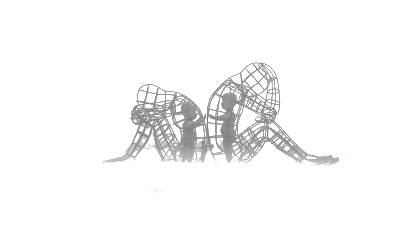
Repent, and Sin (Alone) No More.
Here’s a weird one. I have a confession.
I love preaching repentance.
But, hear me out, because we might be thinking of two separate things.
In my Wesleyan tradition, Grace is already there. We’re already forgiven for everything we can possibly do.
But I’ve noticed that sometimes, that there are these moments, when you truly actually FEEL Grace. When you EXPERIENCE absolute forgiveness, and you can finally let your guard down.
But the tricky thing is,
we don’t get to EXPERIENCE grace
until we’ve experienced a little bit of repenting, or owning up,
for our mistakes.
Let’s break this all down though…
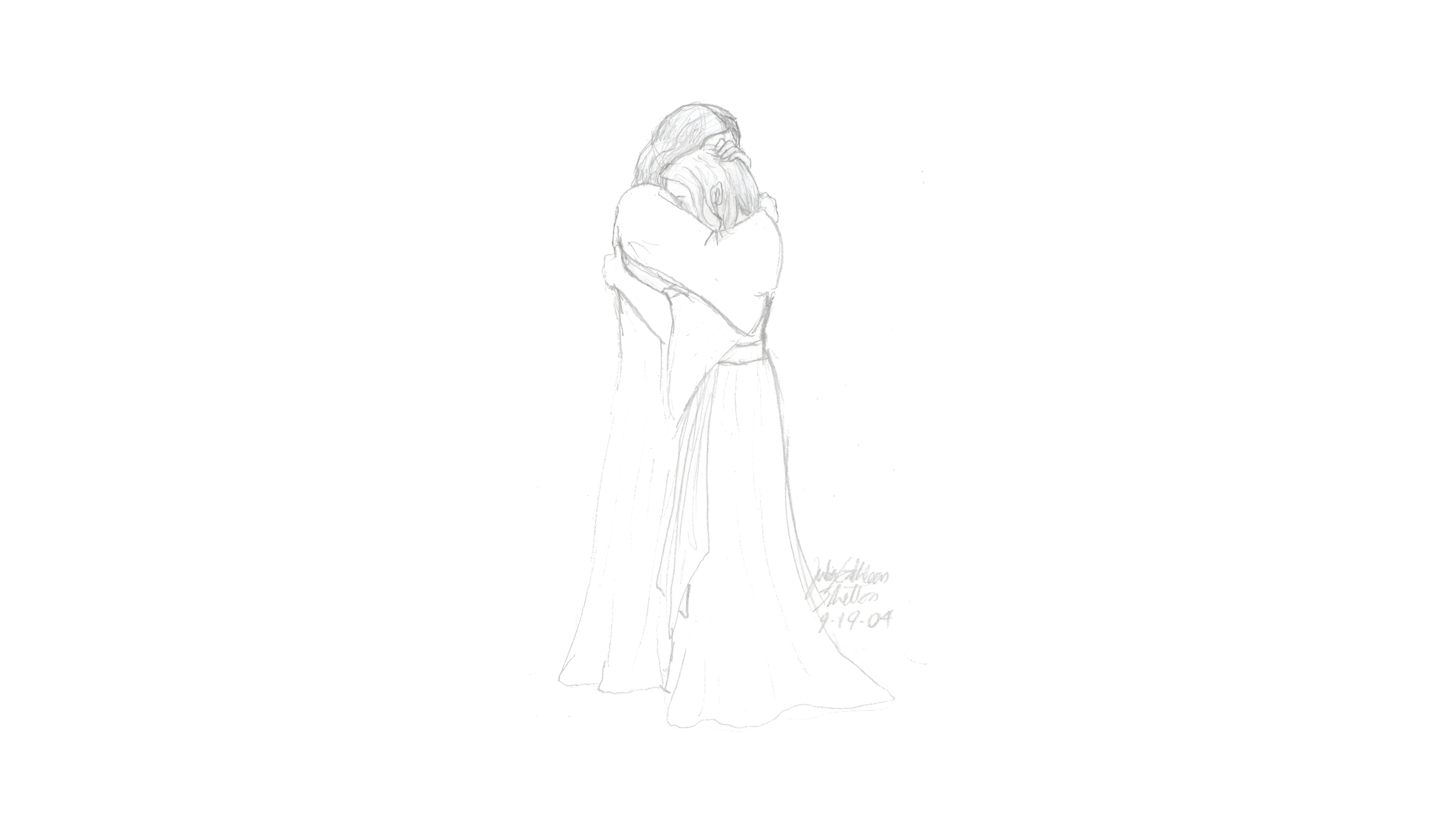
The Miracle of the Prodigal Son Isn't What You Think It Is. (Reunion Hermeneutic Series)
This is the fifth of a five-part series on Biblical Family Reunions:
The Bible Is One Long Family Meeting: The Family Reunion Lens in Ministry
Three Reunions and a Failure: How Biblical Heroes Make Up or Give Up
"I Am a Withered Tree." How Isaiah 56 Revises the Family's Rules from the Inside
You know this story? Maybe you’ve heard a hundred sermons on it. The younger son leaves, wastes his inheritance, comes home, and the father welcomes him with open arms. Grace. Forgiveness. The love of God.
That's a fine reading. But I want to show you something in this text that I think most of us have walked right past.
Let's read it again. Slowly. And instead of watching the younger son, watch the family.

People Making Mistakes: Jonathan Cain's Theology of Repentance (Journey Series)
In the final article of this series, "Jonathan Cain, America's Great Theologian," I'm going to make a hard claim about Jonathan Cain's trajectory from apophatic songwriter to the Rose Garden. Before I do that, I need to make a kind one.
Jonathan Cain is at his best when he's being a repentant failure.
That sounds unkind. It isn't. It's the highest compliment I know how to give a theologian.
Because repentance, real repentance, not the performative groveling that passes for it in most churches, is the hardest theological posture to sustain. It requires you to stay in the tension between what you did and what you meant, between who you are and who you want to be, without resolving it prematurely in either direction. No cheap grace. No self-destruction. Just the honest, uncomfortable middle.