
Article categories:
- BibleReference
- BibleStudy
- Torah
- Gospels
- Confirmation
- Supersessionism
- Methodism
- DoNoHarm
- PublicTheology
- ClinicalEthics
- Translations
- LiturgicalArt
- ChristianTheology
- ReunionHermeneutic
- Gender
- TheProphets
- Sexuality
- Epistles
- ChildAbuse
- Grace
- State
- Repentance
- ChristianHistory
- DomesticViolence
- Sermons
- MentalHealth
- TheWritings
- Pregnancy
- Preaching
- Disability
- Race

Disability Theology: What I’m Learning
A Field We Always Needed.
Disability theology is an established field of academic theology. It has major scholars, landmark texts, and a growing body of work that intersects with liberation theology, pastoral care, bioethics, and biblical studies. It has been active for over thirty years.
The field has a central commitment that distinguishes it from most theology written about disability: it speaks from within disabled experience, not about it from the outside. That distinction matters. These are not able-bodied theologians speculating about what disabled people need. These are disabled scholars and their close collaborators doing theology from the ground up.
Let me introduce you to some of them.

Wesley Never Said 'Do All the Good You Can.' And It Matters That We Keep Saying He Did.
“Do all the good you can, by all the means you can…" is not a Wesley quote — it appears nowhere in his sermons, journals, or letters — and its popularity is not harmless, because it replaces Wesley's actual first rule, "do no harm," with unconstrainted interventionism, and that reversal has theological consequences.
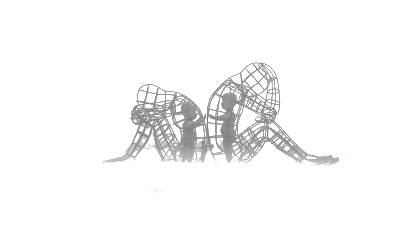
Repent, and Sin (Alone) No More.
Here’s a weird one. I have a confession.
I love preaching repentance.
But, hear me out, because we might be thinking of two separate things.
In my Wesleyan tradition, Grace is already there. We’re already forgiven for everything we can possibly do.
But I’ve noticed that sometimes, that there are these moments, when you truly actually FEEL Grace. When you EXPERIENCE absolute forgiveness, and you can finally let your guard down.
But the tricky thing is,
we don’t get to EXPERIENCE grace
until we’ve experienced a little bit of repenting, or owning up,
for our mistakes.
Let’s break this all down though…
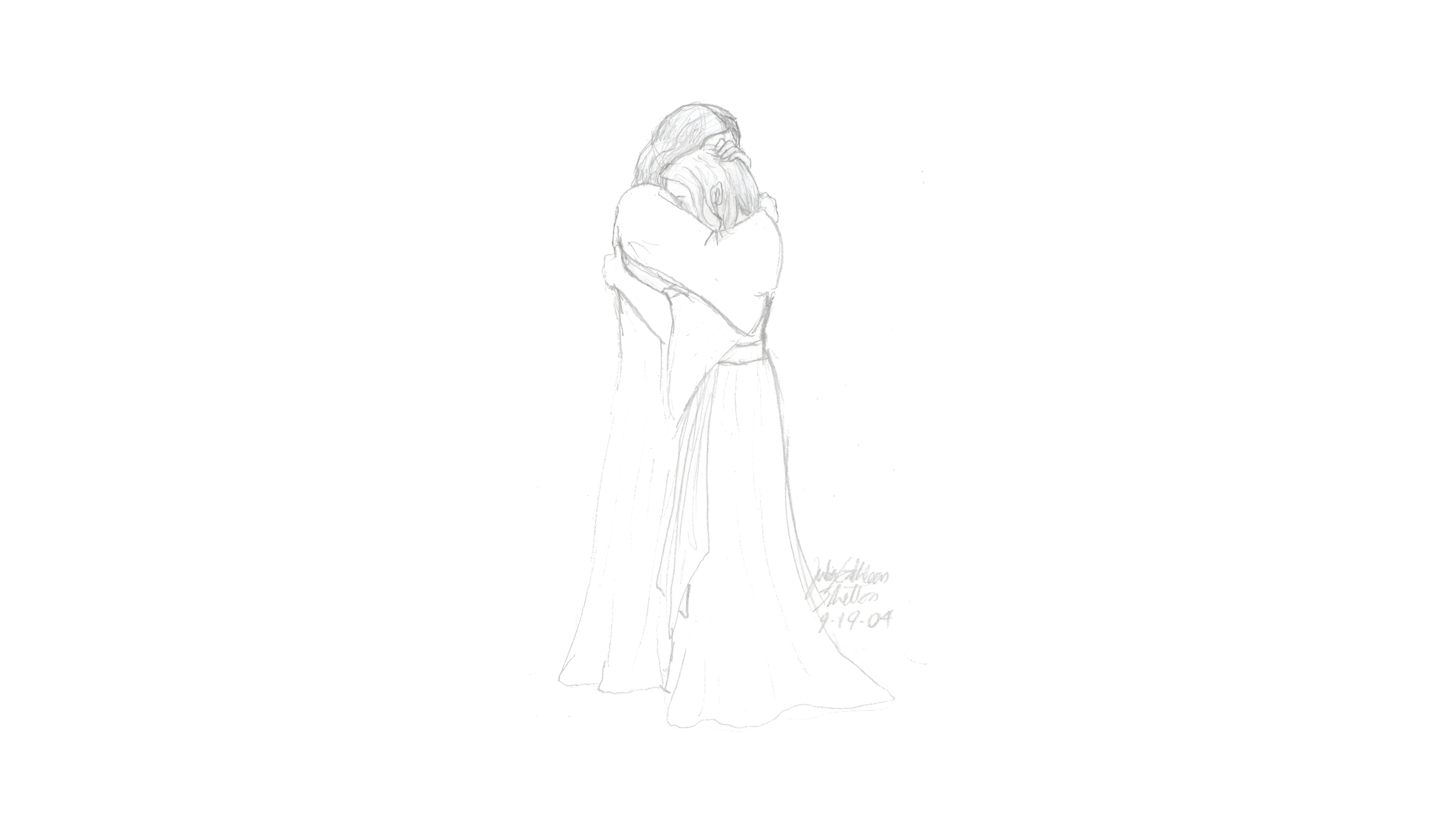
The Bible Is One Long Family Meeting: The Family Reunion Lens in Ministry (Reunion Hermeneutic Series)
The Bible is full of families. That's not a devotional observation — it's a structural one. The text spends an extraordinary amount of its narrative space on who married whom, who fathered whom, who betrayed whom, who reconciled, who didn't. Genealogies, inheritance disputes, sibling rivalries, household management, kinship obligations, estrangements, and — sometimes — reunions.
And yet most of the major interpretive lenses we bring to Scripture treat this family material as scenery. The Jacob/Esau story illustrates God's sovereignty. The prodigal son illustrates grace. The Joseph cycle illustrates providence. The family content is the vehicle. The theological point is the destination.
What if the family content is the point?
This article introduces a hermeneutic lens — family reunion — that takes the Bible's obsession with family relationships seriously as a site of theological inquiry, not as illustration of other theological claims.
The lens doesn't only reach texts that other approaches leave in the dark. It can transform texts you thought you already understood.
What a Hermeneutic Lens Is

Jonathan Cain, America's Great Theologian. Journey to the White House. (Journey Series)
You might not know his name, but you know his teachings.
Jonathan Cain is the most widely disseminated Christian theologian of the late twentieth and early twenty-first century.
That's not a compliment. That's not an insult. It's just math. More people have sung "Don't Stop Believin'" as an act of communal faith than have sung most hymns written in the last fifty years. Every karaoke bar on earth is a chapel, and that song is the call to worship. The strangers waiting up and down the boulevard are a congregation. The midnight train going anywhere is a pilgrimage without a fixed destination. And "don't stop believin'" is a credal statement that refuses to specify its object.
Believin' in what?
It never says. It structurally cannot say, because saying would limit its reach.